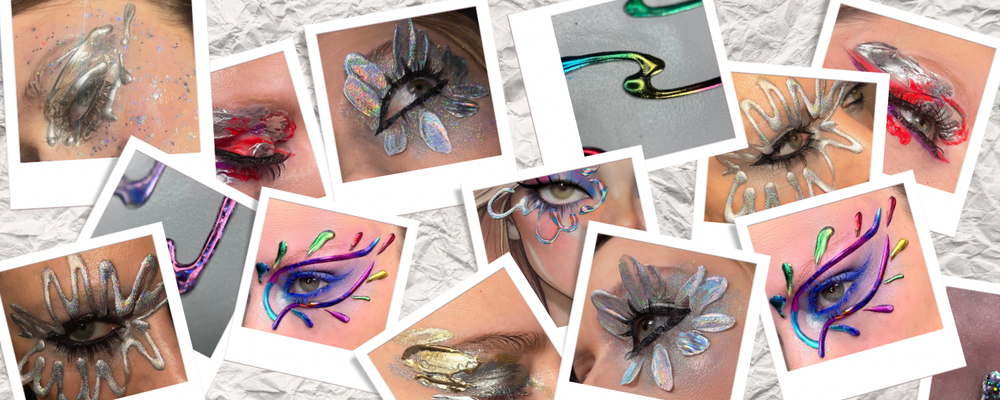
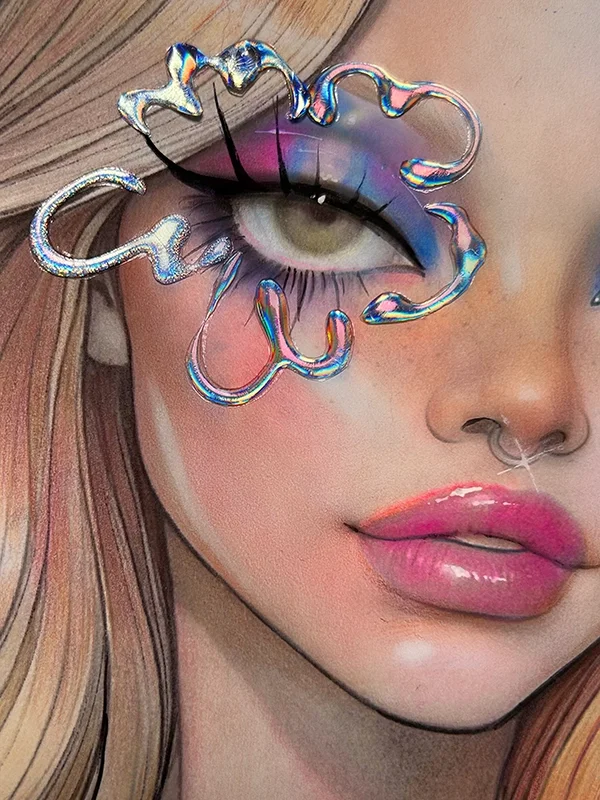
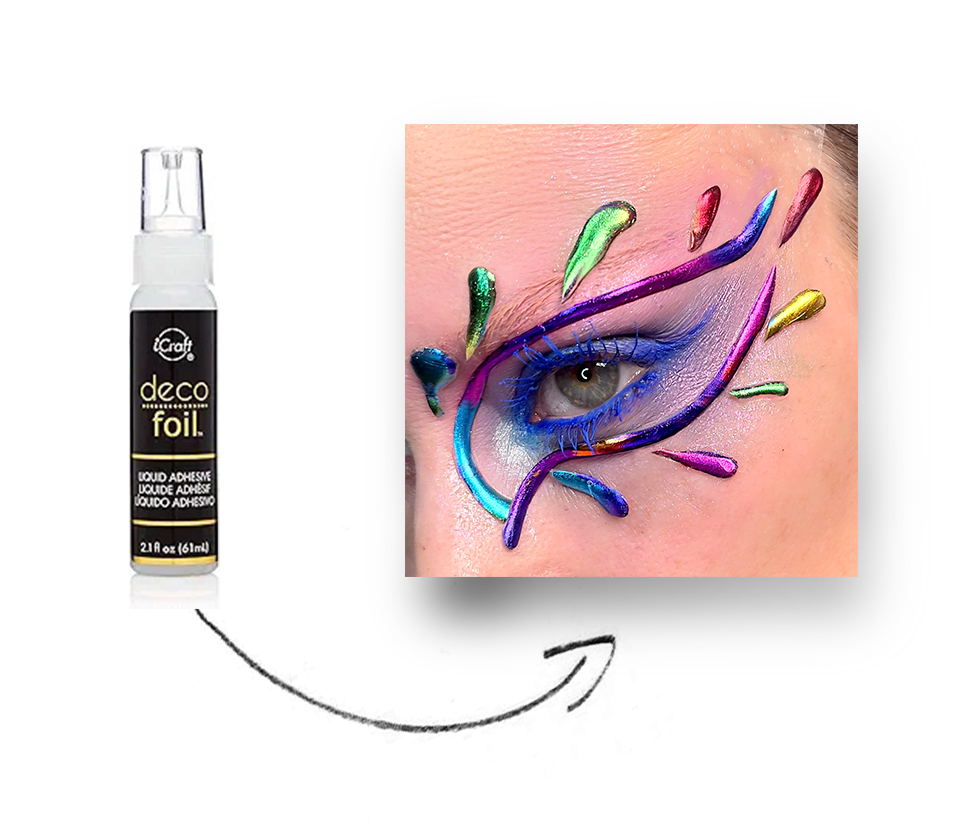
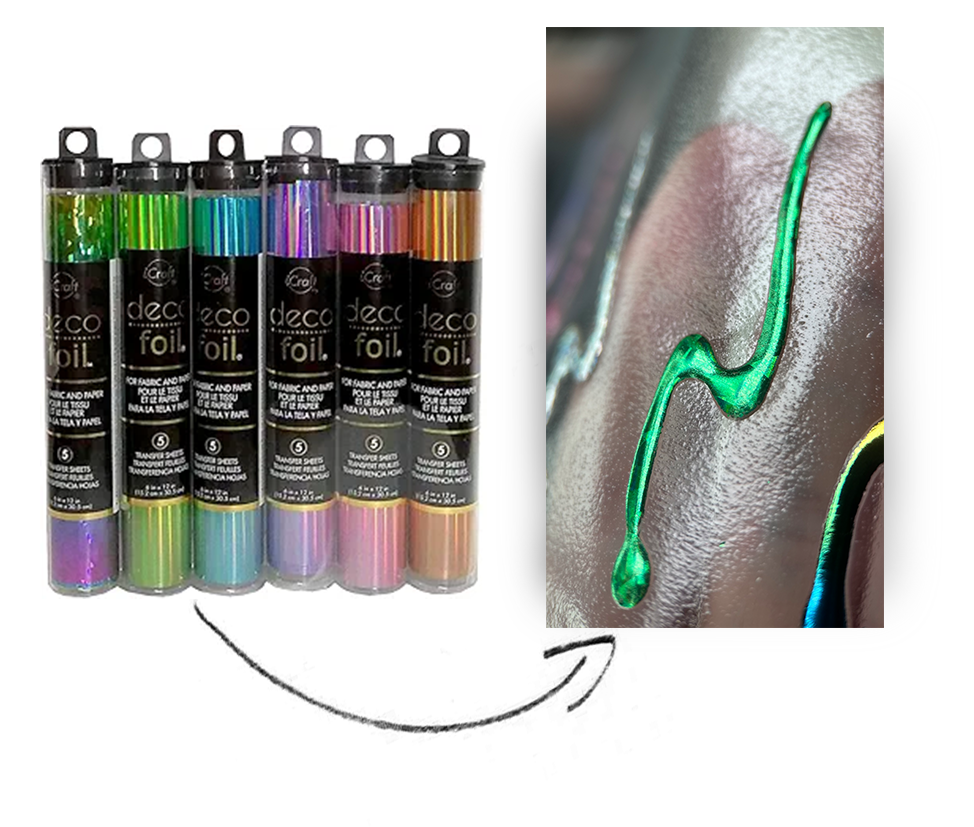
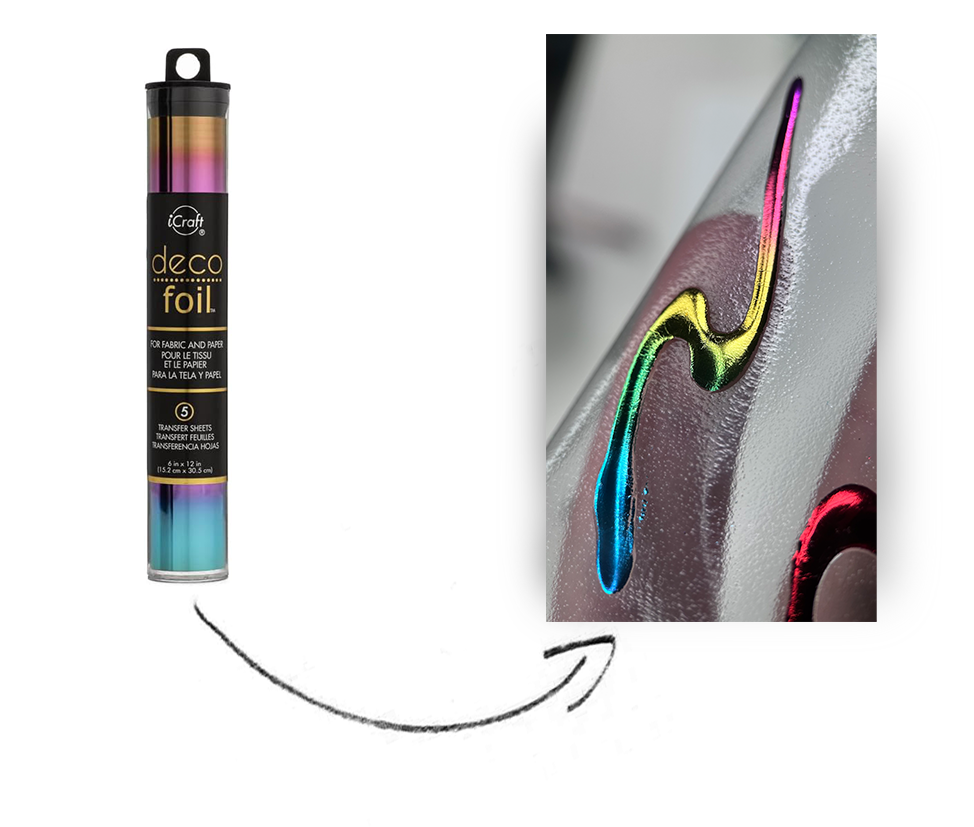
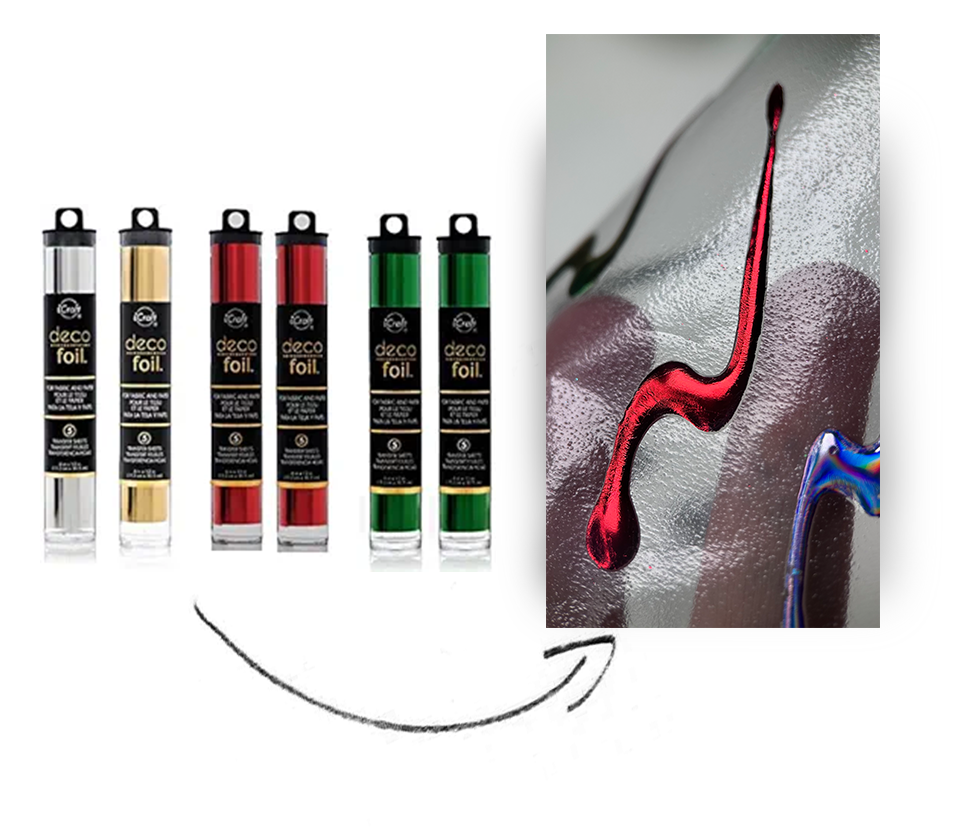
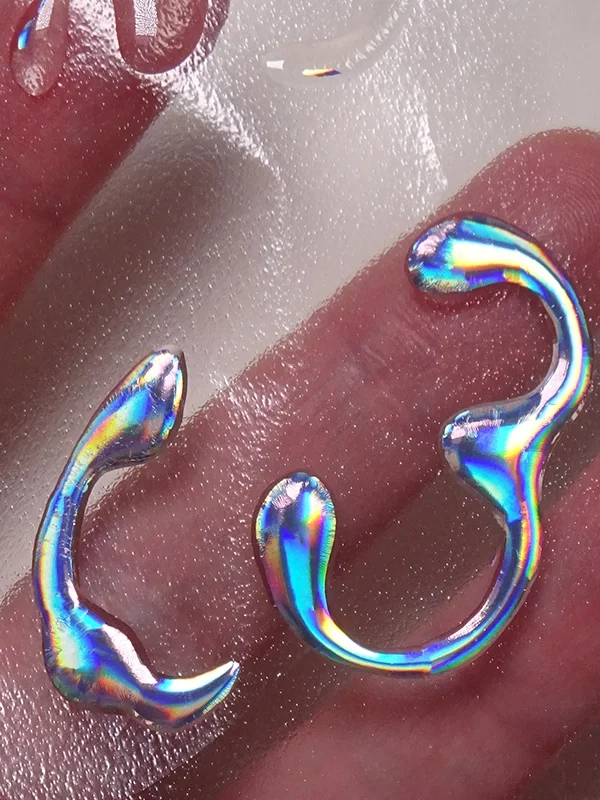
This metallic eyeliner technique comes from the crafting world, where foil is often used for decorative finishes. With the right materials and approach, it translates beautifully into creative makeup design and face charts.
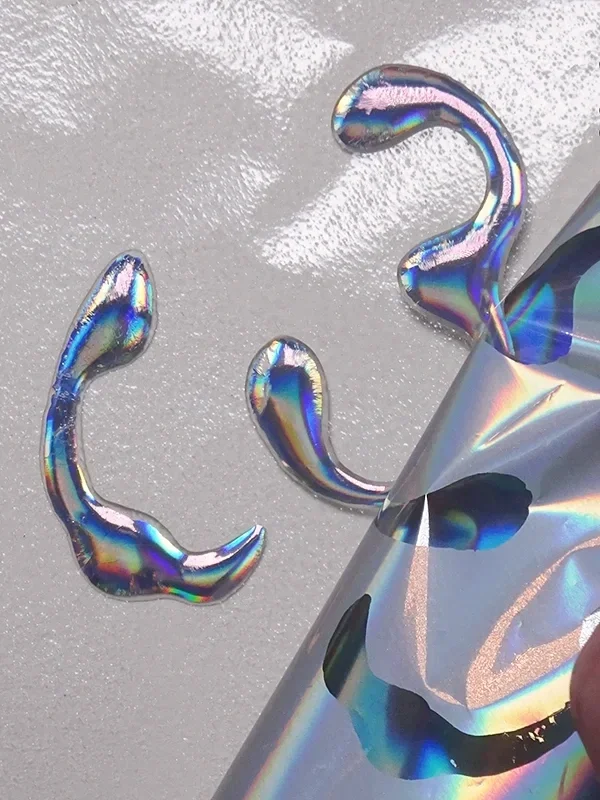
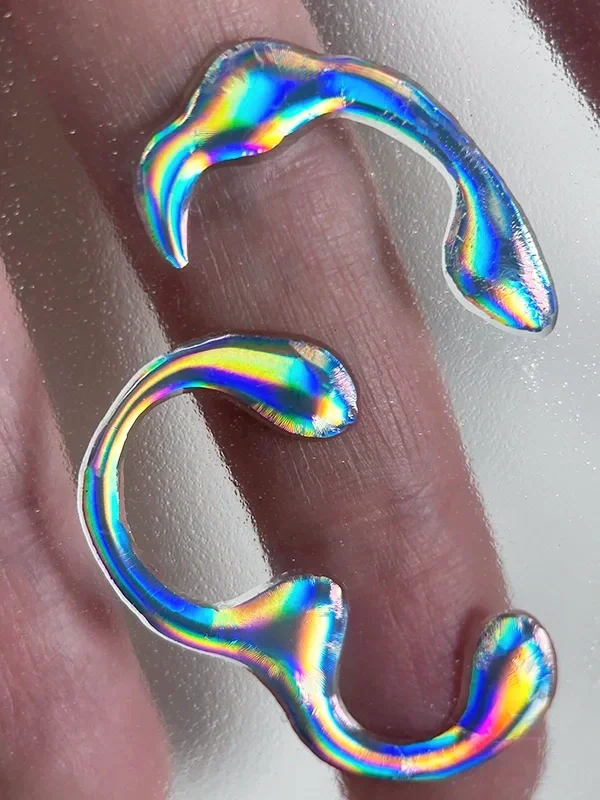
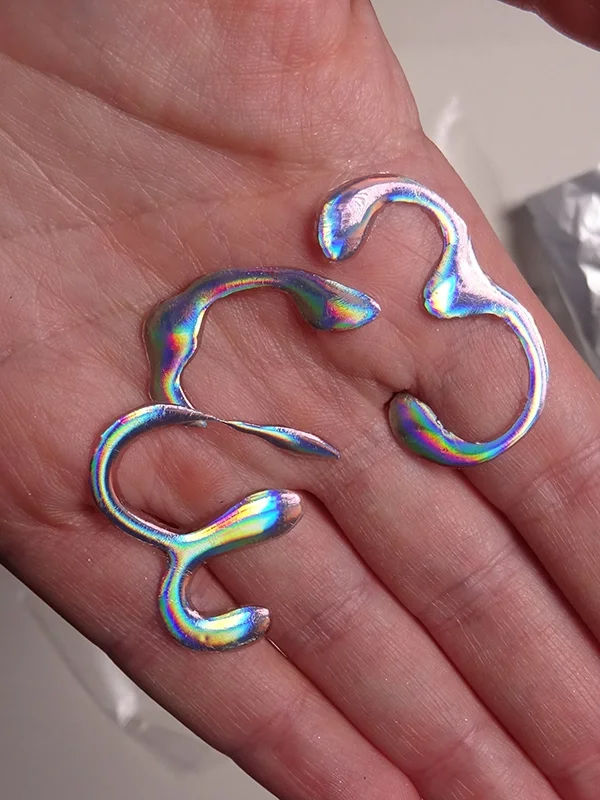
The result is high-shine, reusable metallic eyeliner elements that help visualize bold makeup ideas before applying them on real skin.
Why This technique Works on Facecharts
Face charts are the ideal place to explore complex metallic and foil-based eyeliner techniques before applying them on real skin.
This type of reflective design relies heavily on shape, edge control, and light behavior. On a face chart, those elements can be studied without distraction.
Metallic effects often look convincing only when the balance between thickness, curve, and placement is right. Practicing this on paper allows you to refine the design itself, instead of correcting application mistakes on a model.
Another advantage is reusability. Once a successful eyeliner shape is developed on a face chart, it becomes a reference that can be adapted to different eye shapes, clients, or editorial concepts.
For creative, editorial, or experimental makeup, face charts act as a testing ground where ideas are solved visually before they are executed physically
Materials to Use for making Metallic Eyeliner Swatches
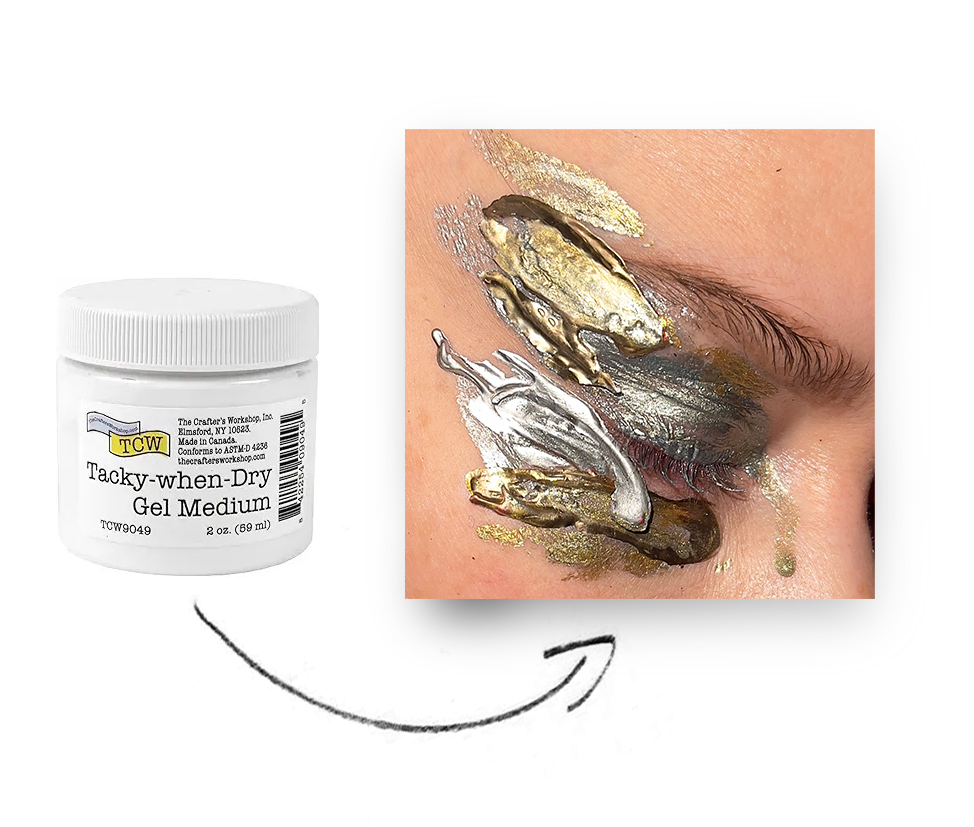
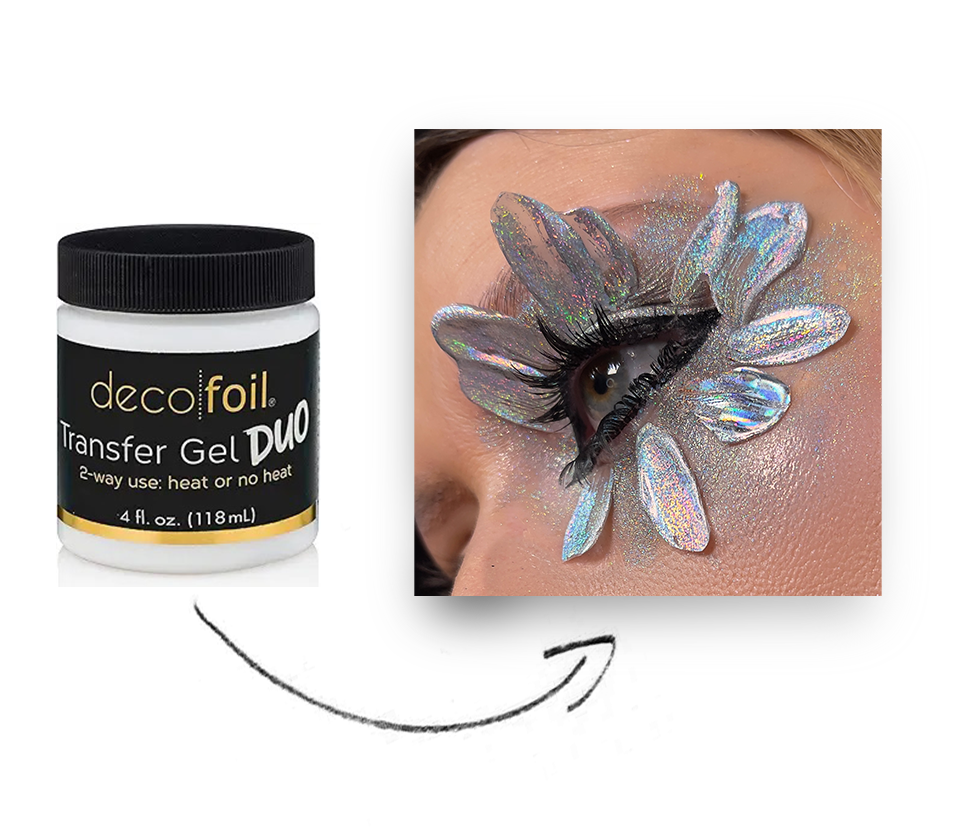
Adhesives
I choose different adhesives depending on the effect I want to achieve:
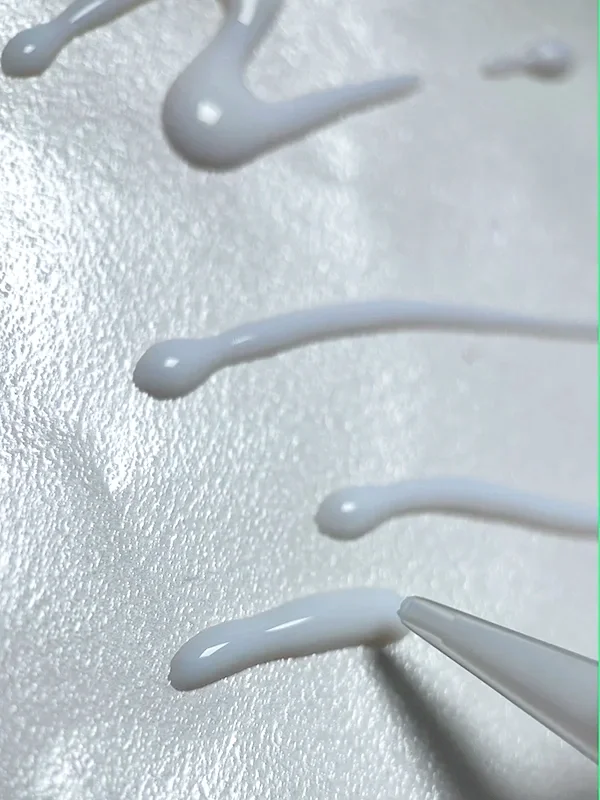
• Liquid adhesive gel for controlled, precise shapes
• Paste foil adhesive for the swatches
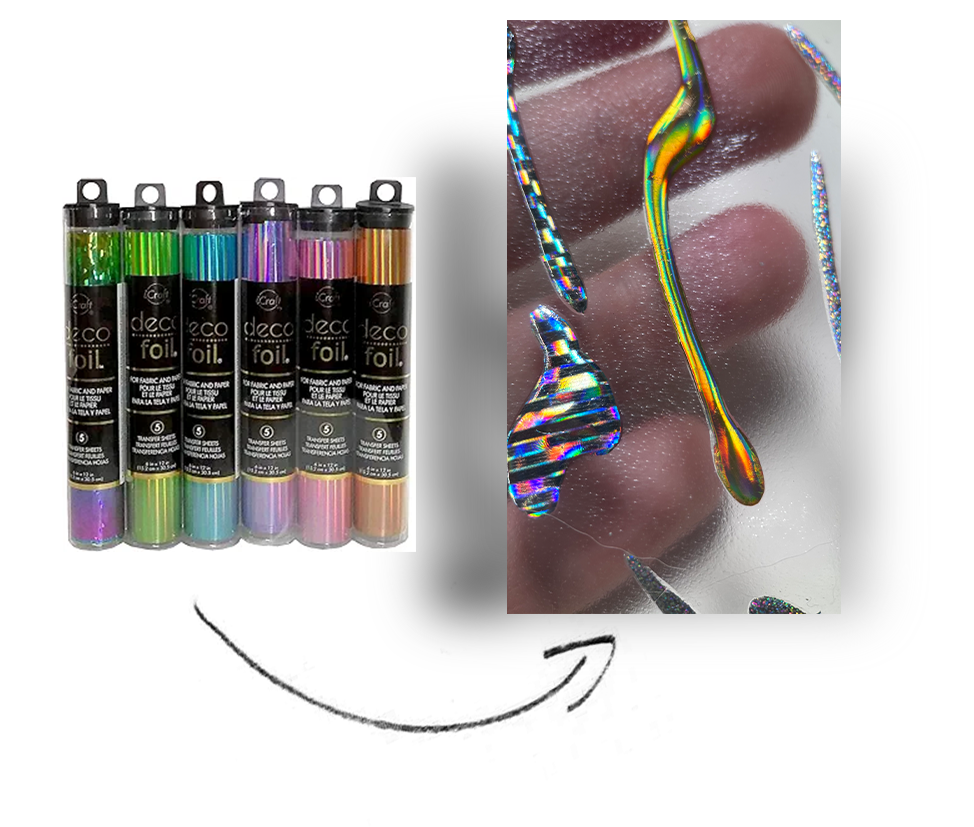
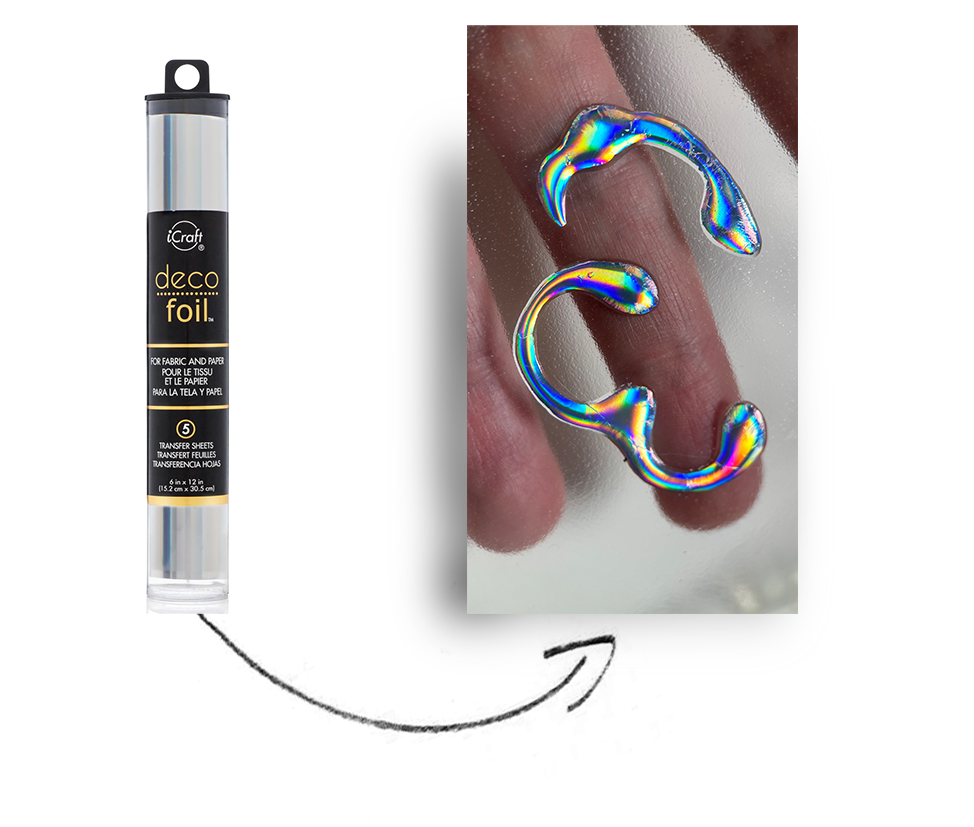
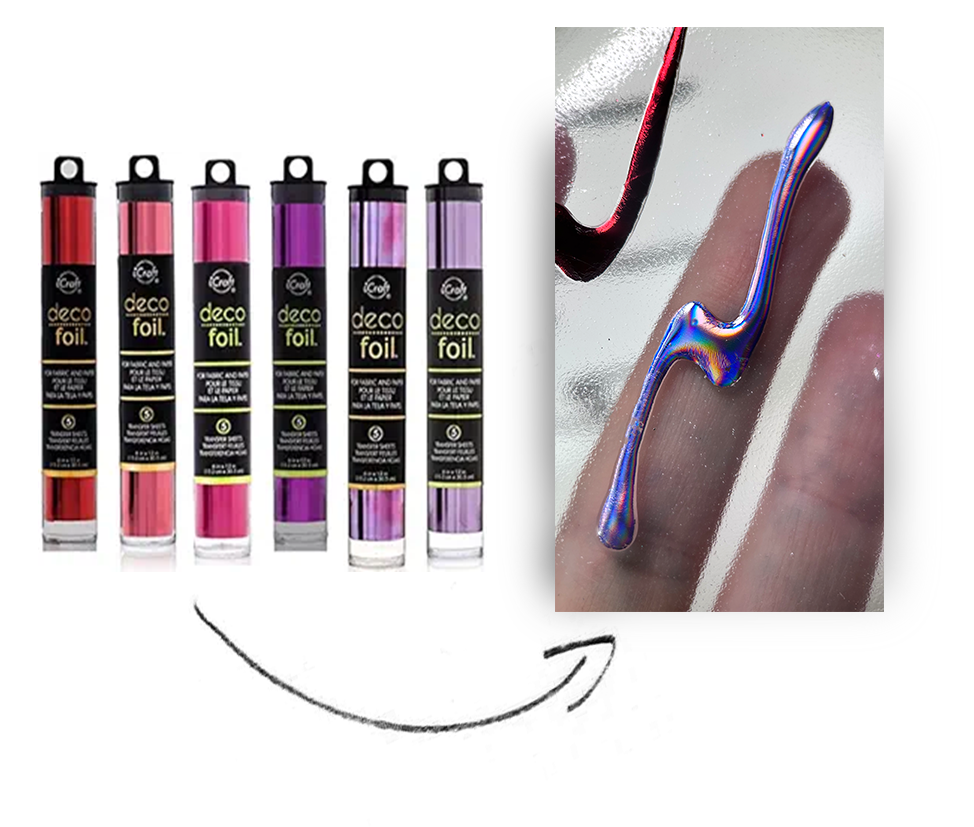
Foils
Not all foils behave the same. Some give a smooth chrome finish, others create texture or a glitter metallic effect.
• Classic metallic foils (gold, silver, copper)
• Iridescent foils
• Textured or distressed foils
Tools
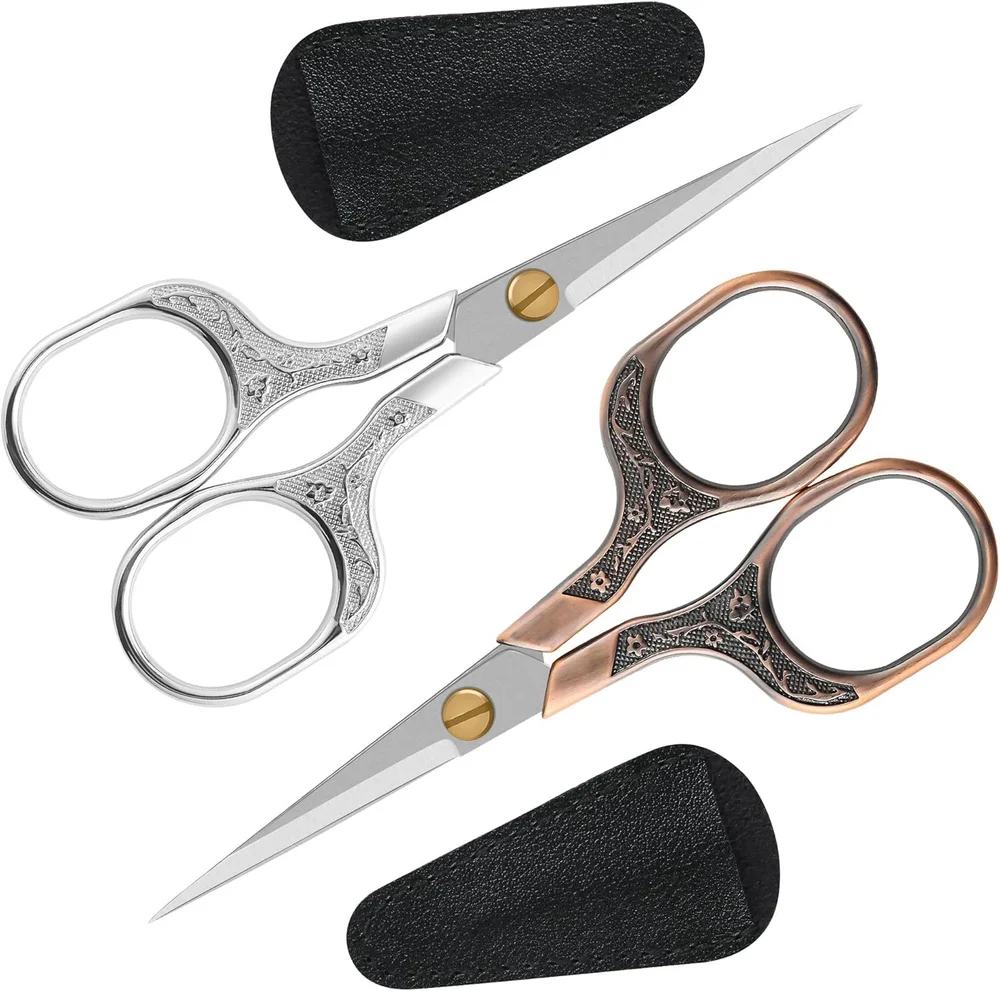
Process Overview
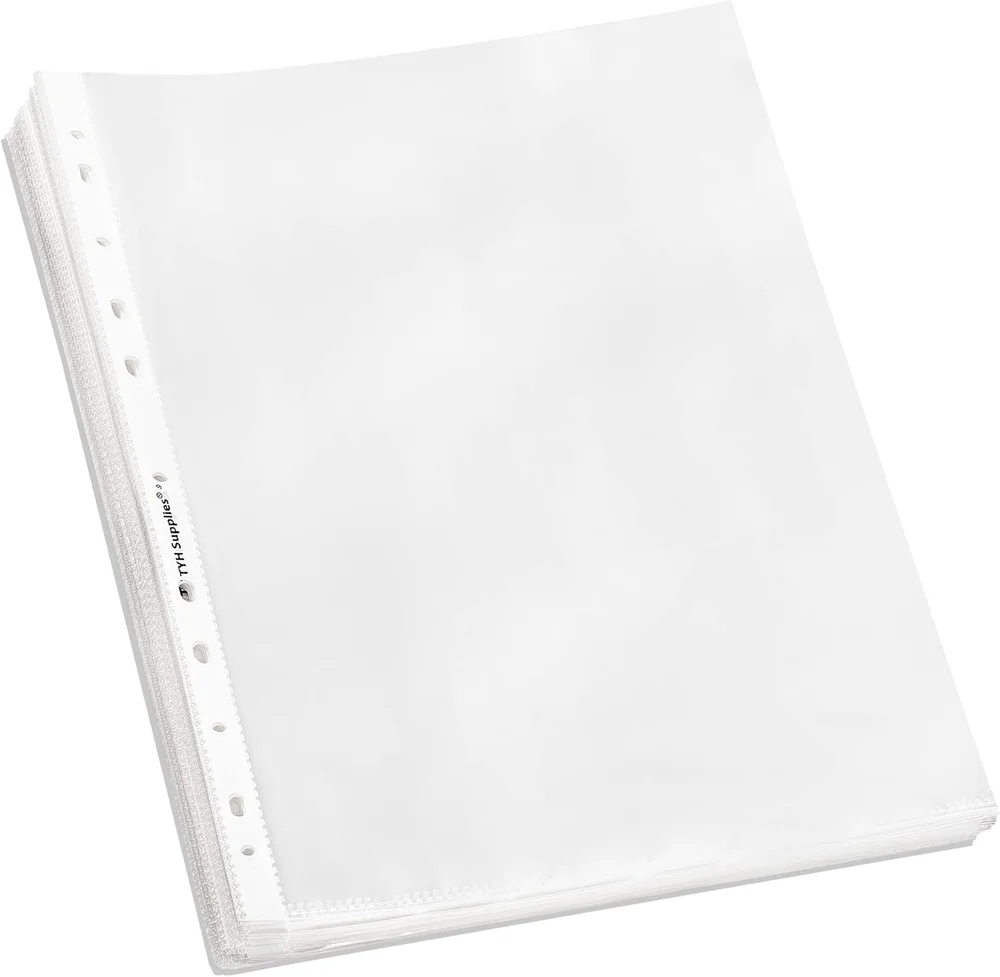
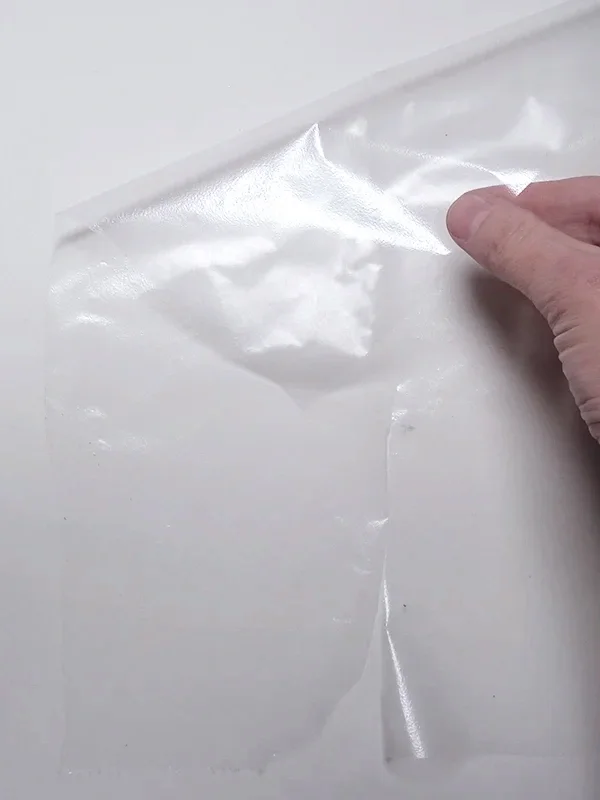
1. Place a transparent plastic sheet on a flat surface
2. Apply adhesive in the desired eyeliner shape
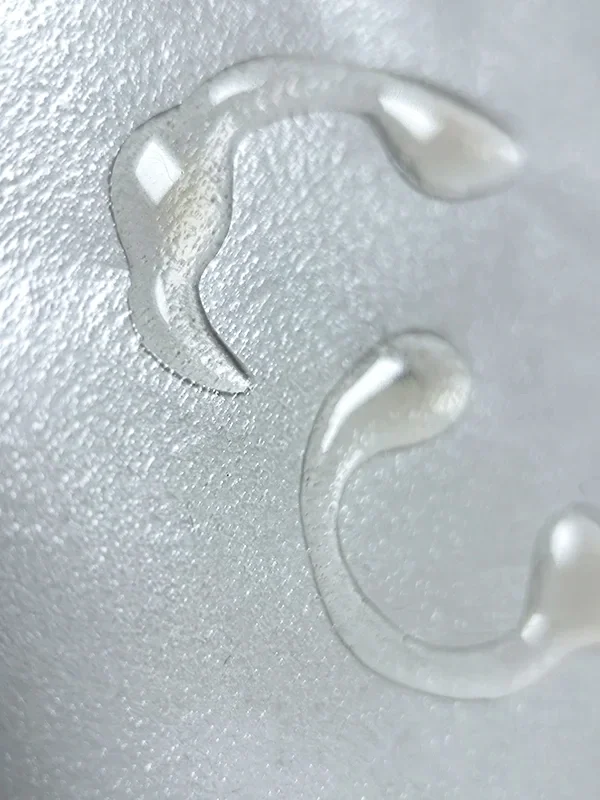
3. Let the adhesive dry until transparent
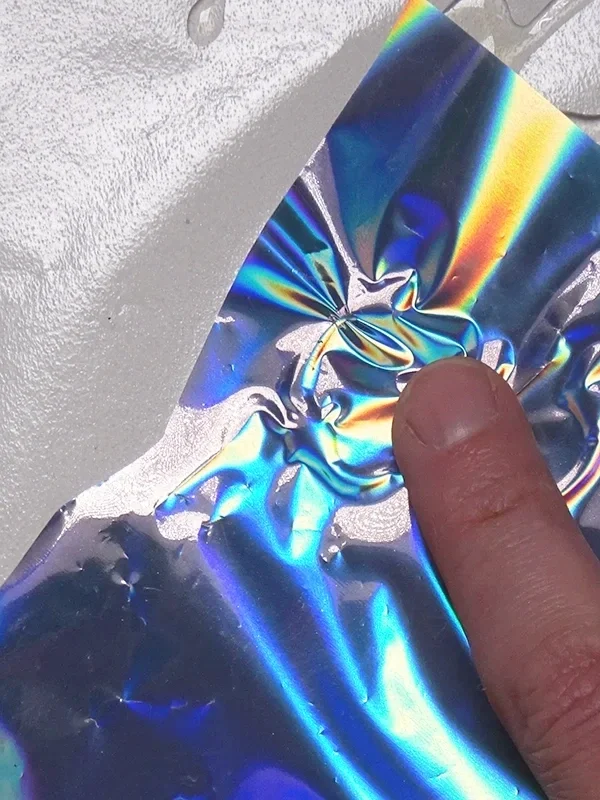
4. Press the foil gently onto the adhesive
5. Lift the foil and repeat where needed
6. Allow to fully dry, then cut out the shape
Why These Metallic Eyeliners Are Reusable
Once dry, these metallic eyeliner elements can be reused for multiple looks.
They are easy to reposition and perfect for experimenting with different eye shapes and designs on face charts.
This makes them ideal for concept development, client consultation, and creative exploration.
How I Use This Technique in My Workflow
I use these metallic liner elements when developing face chart concepts and creative makeup ideas.
They help refine shapes, test contrast, and present strong visual concepts before translating them into real makeup looks.